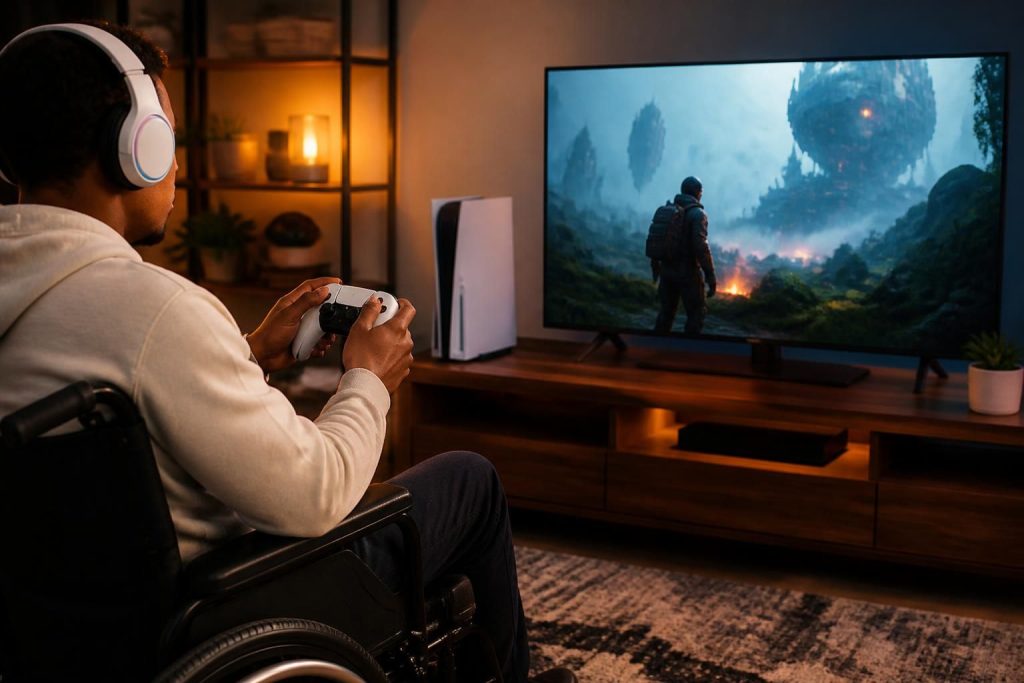
Accessibility features in video games have evolved significantly over the years, reflecting a growing awareness of the diverse needs of players. As gaming has transformed from a niche hobby into a global phenomenon, the inclusion of features that cater to players with varying abilities has become increasingly important. This article explores the historical evolution of these features, highlighting key advancements and their impact on the gaming experience.
The Early Days: Accessibility in Simplicity
In the early days of video gaming, accessibility features were virtually nonexistent. Games were designed with a one-size-fits-all approach, often catering primarily to able-bodied players. However, some rudimentary features can be identified in early arcade games and home consoles. For example, games like Pong and Space Invaders offered simple control schemes that inadvertently allowed players with limited dexterity to engage with the gameplay.
As gaming technology progressed, developers began to recognize the need for more inclusive design. The introduction of the Nintendo Entertainment System (NES) in the 1980s marked a turning point. Titles like Super Mario Bros. allowed for different difficulty levels, which made the game more approachable for a wider audience, including those who may have struggled with traditional controls.
The 1990s: The Seed of Change
The 1990s witnessed a gradual shift toward incorporating accessibility features in video games. With the rise of personal computers and gaming consoles, developers began exploring different ways to enhance the experience for all players. The introduction of customizable controls allowed users to remap keys, which was a significant step for those with physical disabilities. This era also saw the first inklings of visual accessibility features, such as color-blind modes in some games, albeit limited.
Additionally, the adventurous spirit of the 1990s led to groundbreaking titles like Final Fantasy VII, which incorporated narrative-driven gameplay that appealed to a broader audience, including gamers with various cognitive abilities. Although the concept of accessibility was not yet fully formalized, these changes laid the groundwork for future developments.
2000s to Early 2010s: Pioneering Accessible Design
As the new millennium approached, the gaming industry began to acknowledge the importance of accessibility features more openly. The accessibility movement gained traction, driven by advocacy groups that pushed for greater inclusivity. Developers initiated dialogues on how to make gaming accessible to players with disabilities, leading to the creation of more comprehensive features.
The introduction of the Xbox Adaptive Controller in 2018 marked a significant milestone in accessibility features in video games. This innovative device was designed specifically for gamers with limited mobility, allowing them to customize controls to fit their unique needs. Such advancements highlighted a shift toward accommodating a diverse range of players, encouraging other companies to follow suit.
Popular franchises began to adopt accessibility options that included subtitles, adjustable difficulty settings, and visual cues, enhancing the experience for players with hearing or vision impairments. Games like The Last of Us Part II set a new standard by incorporating features such as full controller remapping, text-to-speech options, and extensive visual aids, showcasing a commitment to inclusivity. For more on this topic, see สล็อต.
The Current Landscape: A Commitment to Inclusivity
Today, the gaming industry continues to prioritize accessibility features, reflecting a broader societal push for inclusivity. Developers are increasingly recognizing that a more diverse player base results in richer gaming experiences. Major titles now often include robust accessibility options, and independent developers are also making strides in this area, offering innovative solutions.
Games like Forza Horizon 5 and Spider-Man: Miles Morales have set exemplary benchmarks by providing extensive accessibility settings. These features range from text size adjustments to audio cues and visual indicators that help players navigate complex environments. The industry has begun to view accessibility not as an afterthought but as an integral part of game design, enhancing the experience for everyone.
Looking Ahead: Future Innovations in Accessibility Features
As technology continues to advance, the potential for new accessibility features in video games is vast. Innovations such as artificial intelligence and machine learning hold promise for creating more tailored gaming experiences. Developers are exploring how AI can adapt gameplay in real-time to meet individual player needs, offering dynamic adjustments based on user interaction.
The integration of immersive technologies like virtual and augmented reality also presents unique challenges and opportunities for accessibility. Ensuring that these experiences are inclusive requires thoughtful design and consideration of physical and cognitive abilities. Game designers are encouraged to continue collaborating with advocacy groups and the disabled community to better understand and address their needs.
Furthermore, as online gaming communities grow, there is an increasing emphasis on creating inclusive environments that support players with disabilities. Initiatives that promote awareness of accessibility features, such as community events and educational resources, are essential for fostering a culture of inclusivity.
Conclusion: The Ongoing Journey of Accessibility in Gaming
Accessibility features in video games have come a long way since the early days of simplistic gameplay. The evolution of these features reflects a broader societal recognition of the importance of inclusivity in gaming. From the initial efforts of the 1990s to the comprehensive accessibility options seen in today’s major titles, the industry has made significant strides. However, the journey is far from over. As technology advances and player needs diversify, ongoing innovation and commitment to accessibility will be crucial in ensuring that gaming remains a welcoming space for everyone. By continuing to prioritize these features, the gaming community can foster an environment where all players can enjoy the immersive worlds offered by video games.